




The best industrial technologies do not stand still. They improve as operating conditions change, customer expectations rise and field experience reveals new opportunities.
Innovation grounded in the cell house
For LIMPACT, technology development has never been innovation for its own sake. It has been a continuous effort to solve the practical problems that determine whether a cathode performs reliably in a demanding zinc or copper operation. Our designs have evolved through decades of manufacturing experience, customer feedback, inspection of cathodes in service and close observation of what happens at the electrical contact, the suspension system, the sheet-to-bar connection and the working surface.
From component expertise to complete-cathode performance
LIMPACT’s early strength was built around the head bar: the component that carries current, supports the cathode and repeatedly interfaces with the cell house. Over time, our work expanded from optimizing individual components to engineering the cathode as an integrated system. The bar, sheet, connection, edge strip system and electrical interfaces must work together. A weakness in any one area can increase resistance, affect current distribution, disrupt stripping or shorten useful life. Designing the complete assembly allows those relationships to be managed intentionally.
Learning from years in service
A cathode should not be judged only when it leaves the factory. Its real test comes after thousands of operating cycles, repeated handling, thermal and mechanical stresses, exposure to aggressive chemistry and ongoing contact cleaning. LIMPACT’s development process draws on evidence from cathodes in service: wear patterns, resistance measurements, weld and bond conditions, flatness, stripping behaviour and the nature of repairs required over time. Those observations feed back into design, material selection and manufacturing controls.
Manufacturing precision matters
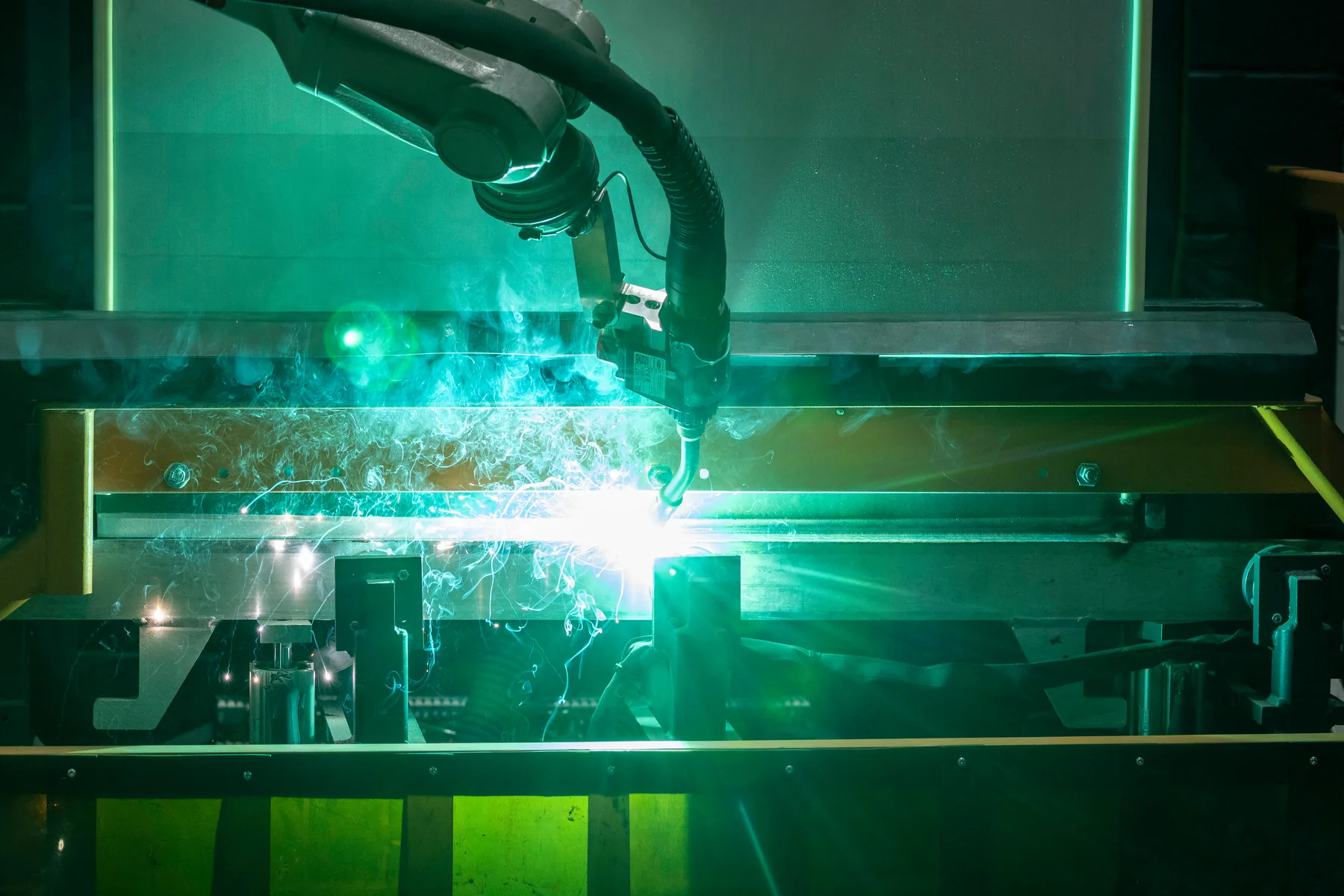
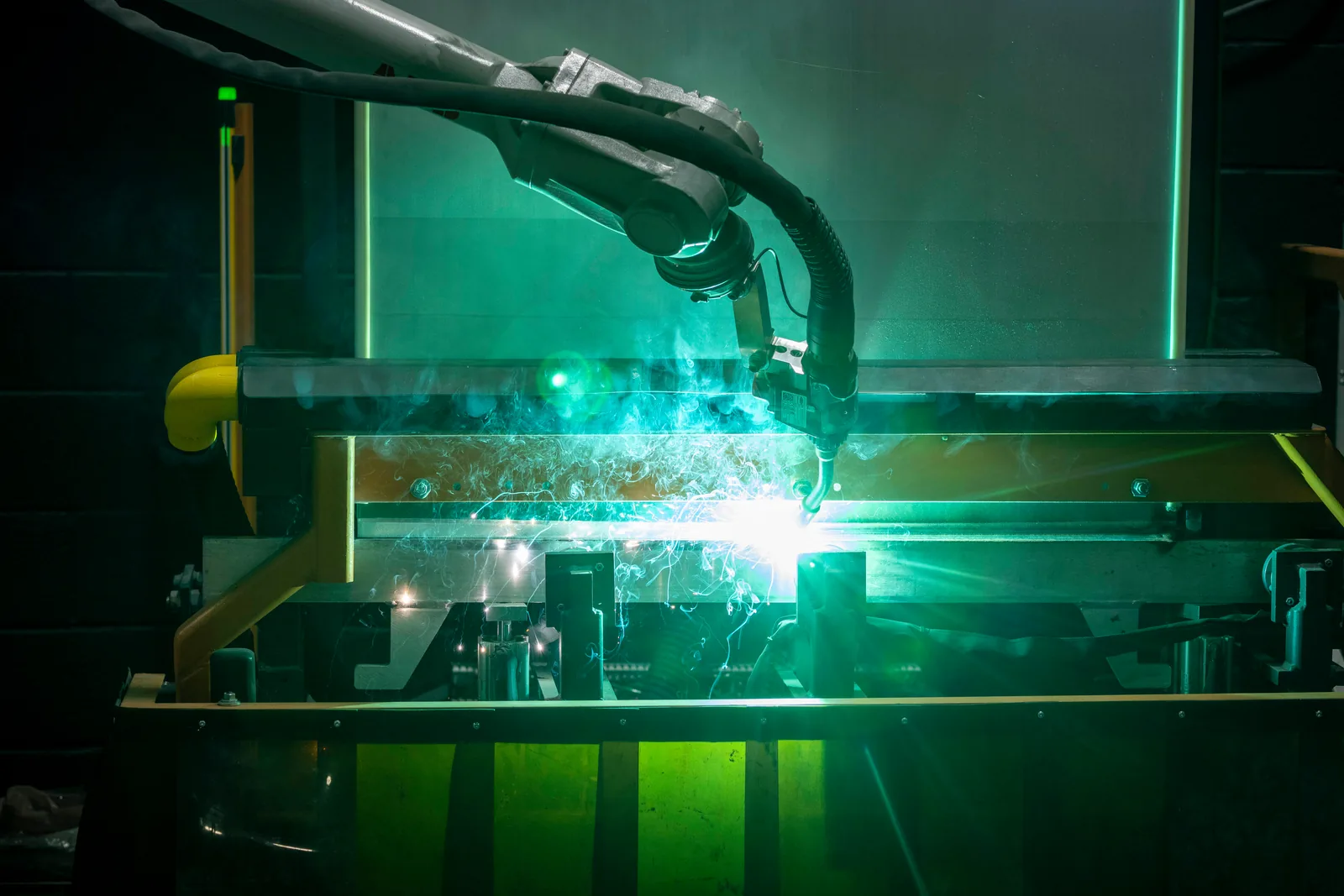
Good design only creates value when it can be reproduced consistently. LIMPACT has continued to strengthen the manufacturing processes, inspection points and quality controls that translate engineering intent into repeatable performance. Depending on the product and application, relevant controls may include material verification, dimensional tolerances, alignment, surface condition, connection integrity and electrical testing.
Innovation beyond the cathode
Our view of cathode performance increasingly includes the information surrounding the asset. Laser-etched QR codes and RFID-enabled tracking can give operators better visibility into fleet age, service history, inspection results, repairs and performance. That creates the foundation for more disciplined maintenance and replacement decisions—and turns a large cathode fleet from an anonymous consumable into a manageable group of productive assets.
The next chapter
Future cell houses will be asked to achieve more: higher throughput, greater automation, tighter cost control, improved energy performance and longer asset life. LIMPACT’s development priorities remain connected to those demands. We will keep combining field evidence, engineering analysis and manufacturing expertise to improve electrical performance, durability, maintainability and total lifecycle value.
“LIMPACT’s technology roadmap has always started with one question: what will help the customer’s cell house perform better—not only on day one, but throughout the life of the cathode?” — Kyle Sleep, Director of Service, LIMPACT
Talk to LIMPACT about your operating conditions, cathode fleet and performance priorities.